“Nature everywhere speaks to man in a voice that is familiar to his soul,”
Can plants speak in a language we have yet to understand?
They are the givers of the air we breathe on this planet, so how is it most of us never take the time to consider their sacredness?
In Plants Have So Much to Give Us, All We Have to Do Is Ask, a collection of traditional Anishinaabe teachings about plants, Mary Siisip Geniusz writes that the primacy of plants is central to the understanding of her Great Lakes–area people. Plants are the world’s “second brothers,” created just after the “elder brother” forces of wind, rocks, rain, snow, and thunder. Plants are dependent on those elder brothers for their life, while supporting all life created after plants. Nonhuman animals are “third brothers,” reliant both on the elements and on plants. Humanity is the “youngest brother,” the most recently created of all the beings. Humans alone need all three of the other brothers to survive at all. “Humans are not the lords of this earth,” Geniusz writes. “We are the babies of this family of ours. We are the weakest because we are the most dependent.”
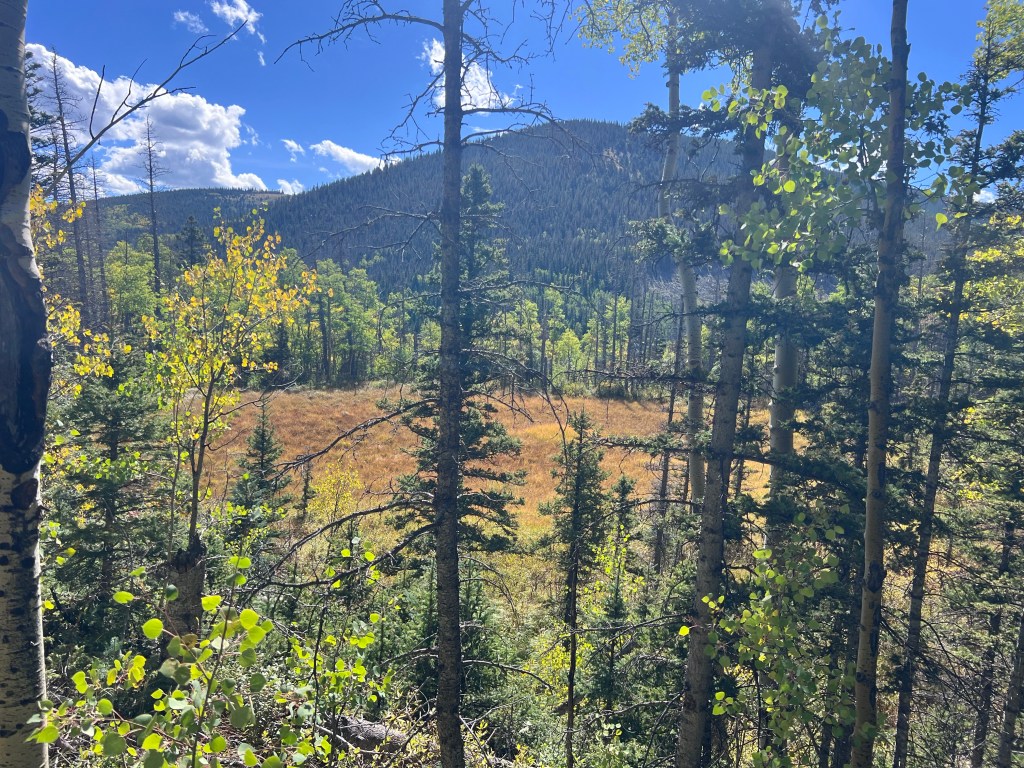
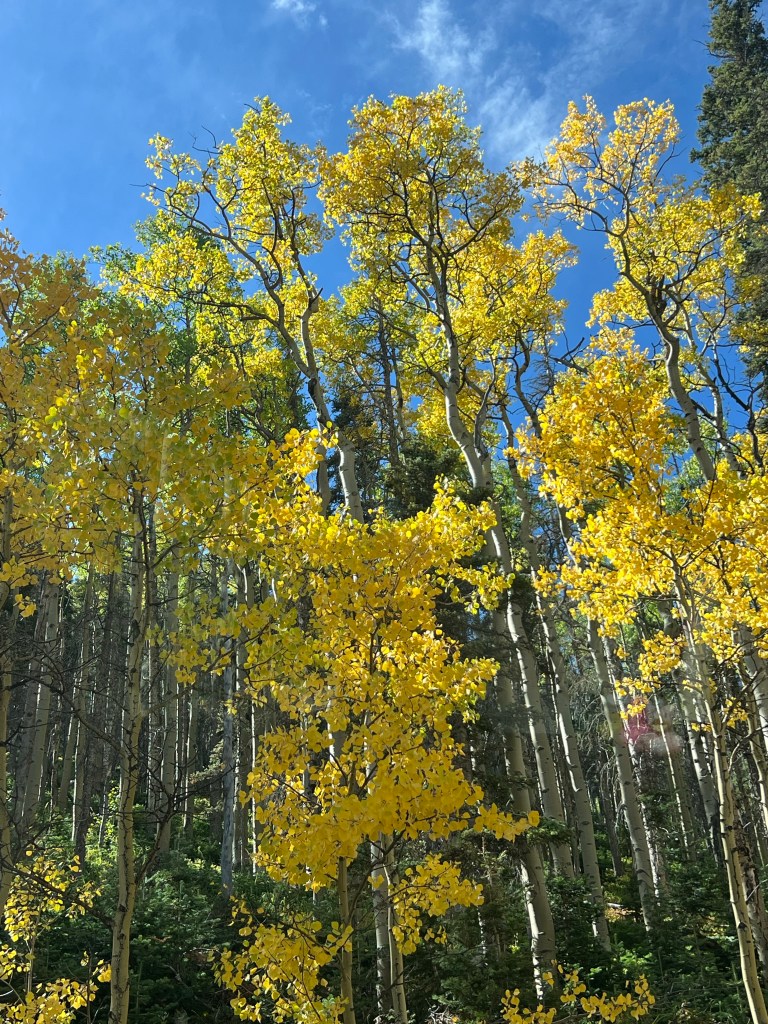
A COMMON EXPLANATION for our general lack of interest is that plants are slow. Their world exists on a different time scale than ours.
A forty-year-old tree will be much, much taller than a forty-year-old man. A bean plant can grow to the height of a ten-year-old child in less than a month. Kudzu can engulf a car in the space of two weeks. So why is it, most never even give a nod to our older “brothers”.
Have you ever been upset, so angry that you wanted to hit something, or yell at the sky? Me too. And what cures such an ailment?
John Muir said, “of all the paths you take in life, make sure some of them include dirt”. So why is it when we walk upon the earth, barefooted, and swipe the trees and grasses that surround the forest, does it quell the temper inside us?
If we pause our busy lives to ponder such magic, I think you will see, we owe much of our existence to those with leaves, who speak a language we understand but cannot speak.

 Bringinthesheaves